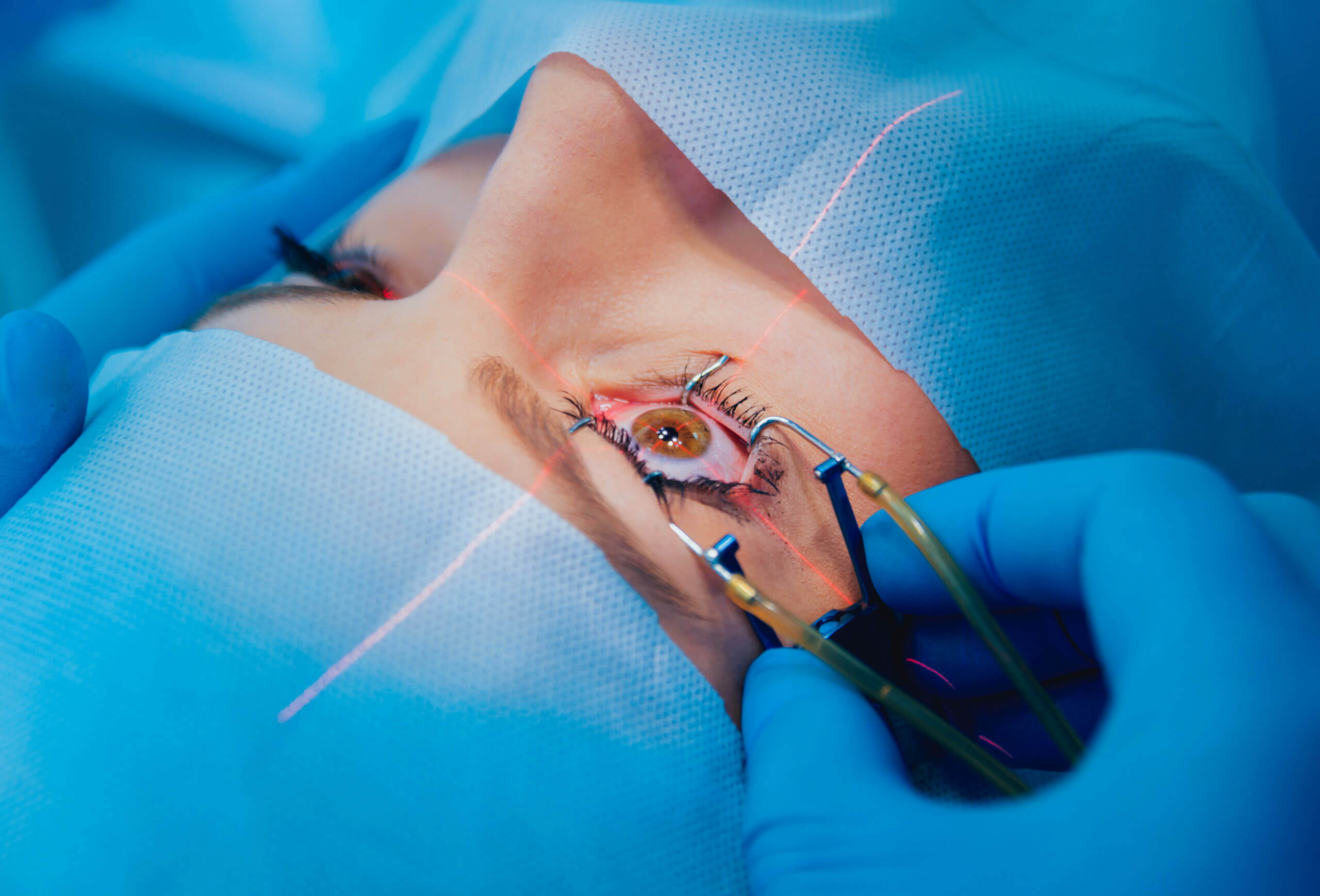
Presbyopia surgery refers to a range of medical procedures designed to correct the age-related decline in near vision. Presbyopia is a natural condition that typically begins to affect people as they grow older, often becoming noticeable in midlife. It occurs when the eye’s natural lens loses flexibility, making it difficult to focus on close objects such as reading material or digital screens.
As modern lifestyles become increasingly dependent on visual tasks, the impact of presbyopia can significantly affect daily activities presbyopia surgery. Tasks that once seemed effortless, such as reading fine print or using a smartphone, may require additional effort or corrective lenses. Presbyopia surgery offers an alternative solution by addressing the underlying visual limitation rather than relying solely on glasses or contact lenses.
How Presbyopia Affects Vision
The human eye functions like a camera, using the cornea and lens to focus light onto the retina. In younger individuals, the lens is flexible and easily adjusts to different distances. However, with age, the lens gradually becomes stiffer and less responsive. This reduces the eye’s ability to focus on nearby objects.
The condition is not a disease but a natural part of aging. Most people begin to notice symptoms such as blurred near vision, eye strain, or the need to hold reading materials farther away. These changes can gradually worsen over time, making vision correction necessary for maintaining quality of life.
The Role of Presbyopia Surgery in Vision Correction
Presbyopia surgery aims to restore functional near vision and reduce dependence on corrective eyewear. Unlike traditional glasses or contact lenses, surgical approaches target the eye’s internal structure or optical system to improve focusing ability.
There are several different surgical techniques used depending on the patient’s eye condition, lifestyle, and overall health. Some procedures modify the cornea, while others involve replacing or reshaping the eye’s natural lens.
The goal of presbyopia surgery is not only to improve near vision but also to maintain distance vision and overall visual balance. This makes it a comprehensive solution for individuals seeking long-term correction.
Common Types of Presbyopia Surgery
One of the most widely used approaches is laser-based corneal surgery. This method reshapes the cornea to improve the eye’s focusing ability. By adjusting how light enters the eye, it can enhance near vision while preserving distance vision.
Another common option is lens replacement surgery. In this procedure, the eye’s natural lens is replaced with an artificial intraocular lens. These advanced lenses are designed to provide multiple focal points, allowing clearer vision at different distances.
Some surgical techniques involve corneal inlays, which are small devices inserted into the cornea to improve near vision. These inlays work by altering the way light is focused, helping the eye adapt to close-up tasks.
Each method has its own advantages and limitations, and the choice depends on individual needs and medical evaluation.
Who can Benefit from Presbyopia Surgery
Presbyopia surgery is typically considered for individuals who experience difficulty with near vision and want to reduce their reliance on glasses. Candidates are usually adults who are in good overall eye health and do not have severe eye diseases.
A thorough eye examination is required before determining suitability. Factors such as corneal thickness, lens condition, and general eye health are carefully evaluated by an eye care specialist.
People with stable vision prescriptions and realistic expectations are often the best candidates. It is important to understand that while surgery can significantly improve vision, results may vary depending on individual conditions.
The benefits of Presbyopia Surgery
One of the main benefits of presbyopia surgery is improved independence from corrective eyewear. Many patients experience greater convenience in daily activities such as reading, working on digital devices, and performing close-up tasks.
Another benefit is long-term vision stability. Unlike glasses or contact lenses that require ongoing adjustments, surgical solutions aim to provide lasting results.
Presbyopia surgery can also enhance overall quality of life. Improved vision allows individuals to engage more comfortably in social, professional, and recreational activities without visual limitations.
Risks and Considerations
Like any medical procedure, presbyopia surgery carries certain risks. These may include temporary visual disturbances, dry eyes, or sensitivity to light during the recovery period.
In some cases, additional procedures or adjustments may be needed to achieve optimal results. It is important for patients to discuss potential risks with their eye care specialist before proceeding.
Realistic expectations are essential. While many patients achieve significant improvement, perfect vision without any correction may not always be guaranteed.
Recovery and Aftercare
Recovery after presbyopia surgery varies depending on the type of procedure performed. Some patients may notice improvements within a few days, while others may require several weeks for full stabilization.
During recovery, it is important to follow medical instructions carefully. This may include using prescribed eye drops, avoiding eye strain, and attending follow-up appointments.
Proper aftercare helps ensure optimal healing and reduces the risk of complications. Most patients gradually adapt to their improved vision over time.
Advancements in Presbyopia Surgery Technology
Modern advancements in eye surgery have significantly improved the safety and effectiveness of presbyopia treatments. New laser technologies allow for greater precision in corneal reshaping, while advanced intraocular lenses provide more natural visual outcomes.
Research continues to explore new techniques that may offer even better results with faster recovery times. These innovations are making presbyopia surgery more accessible and effective for a wider range of patients.
Personalized treatment planning is also becoming more common, allowing surgeons to tailor procedures based on individual visual needs.
The future of Vision Correction for Presbyopia
The future of presbyopia surgery is expected to focus on greater customization and minimally invasive techniques. As technology evolves, treatments will likely become more refined, offering improved comfort and visual performance.
Developments in bioengineered lenses and adaptive optical systems may further enhance the ability to restore natural focusing ability. These innovations could reduce the need for glasses even further.
In addition, artificial intelligence may play a role in improving surgical planning and predicting outcomes more accurately.
Conclusion on Presbyopia Surgery and Vision Health
Presbyopia surgery represents a significant advancement in modern eye care, offering individuals a way to address age-related vision changes more effectively. By targeting the underlying cause of reduced near vision, these procedures provide an alternative to traditional corrective eyewear.
With various surgical options available, patients can work with eye care professionals to determine the most suitable approach for their needs. While risks exist, careful evaluation and proper aftercare contribute to successful outcomes.

Leave a Reply