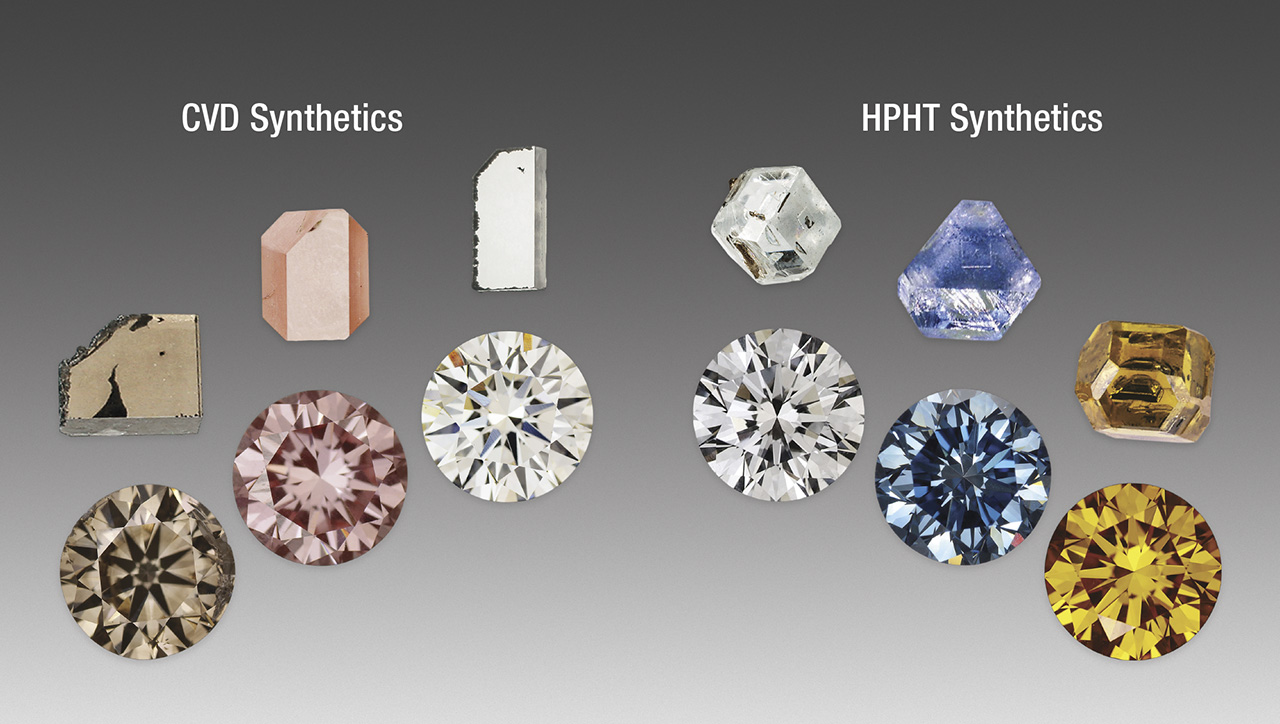
Lab-grown diamond jewelry represents a modern innovation in the world of fine accessories, offering diamonds that are created in controlled laboratory environments rather than mined from the earth. These diamonds possess the same physical, chemical, and optical properties as natural diamonds, yet they are produced using advanced technological processes.
In recent years, lab-grown diamond jewelry has gained significant attention among consumers who value sustainability, affordability, and ethical sourcing 培育鑽石首飾. As awareness of environmental and social issues grows, more people are exploring alternatives to traditional mined diamonds.
This shift has led to a transformation in the jewelry industry, where lab-grown diamonds are no longer seen as a niche product but as a mainstream choice for engagement rings, necklaces, earrings, and other luxury items.
How Lab-grown Diamonds Are created
Lab-grown diamonds are produced using two primary methods that replicate the natural conditions under which diamonds form. One method involves high pressure and high temperature, simulating the intense conditions found deep within the Earth. The other method uses chemical vapor deposition, where carbon-rich gases are transformed into solid diamond crystals layer by layer.
Both methods result in real diamonds that are virtually identical to mined diamonds. They exhibit the same hardness, brilliance, and clarity. Even expert gemologists often require specialized equipment to distinguish between lab-grown and natural diamonds.
The precision and control involved in the creation process allow manufacturers to produce high-quality diamonds with fewer imperfections, making lab-grown diamond jewelry an attractive option for many buyers.
The Appeal of Lab-grown Diamond jewelry
One of the main reasons for the rising popularity of lab-grown diamond jewelry is its affordability. Lab-grown diamonds typically cost less than their mined counterparts, allowing consumers to purchase larger or higher-quality stones within the same budget.
Another major appeal is ethical sourcing. Traditional diamond mining has raised concerns related to environmental impact and labor practices. Lab-grown diamonds offer a more transparent and controlled production process, which appeals to socially conscious consumers.
Sustainability is also a key factor. Producing diamonds in a laboratory environment generally requires fewer natural resources and results in less environmental disruption compared to mining operations.
Design Versatility in Lab-grown Diamond jewelry
Lab-grown diamond jewelry offers extensive design possibilities for jewelers and consumers alike. Because these diamonds can be produced in a wide range of sizes, shapes, and qualities, designers have greater creative freedom.
From classic solitaire rings to intricate modern designs, lab-grown diamonds can be incorporated into virtually any style of jewelry. This versatility makes them suitable for both traditional and contemporary tastes.
Custom jewelry design has also become more accessible with lab-grown diamonds. Consumers can work with jewelers to create personalized pieces that reflect their individual style and preferences.
Quality and Appearance of Lab-grown Diamonds
One of the most important aspects of lab-grown diamond jewelry is its quality. These diamonds are graded using the same criteria as natural diamonds, including cut, color, clarity, and carat weight.
In terms of appearance, lab-grown diamonds are virtually indistinguishable from mined diamonds. They exhibit the same sparkle and brilliance when properly cut and polished.
High-quality lab-grown diamonds can even surpass natural diamonds in clarity because their controlled creation process reduces the likelihood of certain inclusions and imperfections.
Environmental Impact and Sustainability
Environmental sustainability is a major factor driving interest in lab-grown diamond jewelry. Traditional diamond mining can have significant environmental consequences, including land disruption, energy consumption, and ecosystem impact.
Lab-grown diamonds offer a more environmentally conscious alternative. While they still require energy to produce, the overall environmental footprint is generally lower compared to large-scale mining operations.
Many consumers today prioritize sustainable purchasing decisions, and lab-grown diamonds align with these values by offering a more responsible option for luxury jewelry.
Ethical Considerations in the Jewelry Industry
Ethical concerns have long been associated with the diamond industry, particularly regarding sourcing practices in certain mining regions. Lab-grown diamond jewelry addresses many of these concerns by providing a transparent and traceable supply chain.
Because lab-grown diamonds are created in controlled environments, there is greater oversight over working conditions and production processes. This transparency helps build consumer confidence and trust.
For many buyers, choosing lab-grown diamond jewelry is not only a financial decision but also an ethical one that reflects personal values.
Market Growth and Consumer Trends
The market for lab-grown diamond jewelry has experienced steady growth in recent years. Increased awareness, improved technology, and changing consumer attitudes have all contributed to this expansion.
Younger generations, in particular, are more open to alternative luxury options. They tend to prioritize sustainability, value, and transparency when making purchasing decisions.
Retailers and jewelry brands have responded to this demand by expanding their collections of lab-grown diamond jewelry, making it more widely available in both physical stores and online platforms.
Misconceptions About Lab-grown Diamonds
Despite their growing popularity, there are still some misconceptions about lab-grown diamond jewelry. One common misconception is that lab-grown diamonds are not “real” diamonds. In reality, they are chemically identical to mined diamonds.
Another misconception is that lab-grown diamonds lack value. While they may be more affordable, they still hold significant value in terms of beauty, quality, and craftsmanship.
Education plays an important role in addressing these misunderstandings and helping consumers make informed decisions.
The Role of Technology in Jewelry Innovation
Technology has been a driving force behind the development of lab-grown diamond jewelry. Advances in material science and engineering have made it possible to create diamonds with remarkable precision.
Ongoing research continues to improve production methods, making lab-grown diamonds more efficient and accessible. This technological progress is expected to further enhance the quality and availability of these gemstones in the future.
Digital tools have also transformed the shopping experience. Consumers can now explore lab-grown diamond jewelry through online platforms, view detailed specifications, and even customize designs remotely.
The future of Lab-grown Diamond jewelry
The future of lab-grown diamond jewelry looks promising as consumer demand continues to grow. With increasing emphasis on sustainability and ethical sourcing, lab-grown diamonds are likely to become even more mainstream.
Innovation in production techniques may lead to even higher quality diamonds at more competitive prices. This could further shift consumer preferences away from traditional mined diamonds.
As the industry evolves, lab-grown diamond jewelry is expected to play a major role in shaping the future of luxury accessories.
Conclusion on Lab-grown Diamond jewelry
Lab-grown diamond jewelry represents a significant shift in the world of fine jewelry, combining beauty, technology, and ethical responsibility. These diamonds offer the same brilliance and durability as natural diamonds while providing additional benefits such as affordability and sustainability.

Leave a Reply