How Do Sceye’s Stratospheric Airships Examine Greenhouse Gases
1. The Monitoring Gap is a Lot Bigger than people think.
Greenhouse gas emissions in the world are tracked through a myriad of ground stations, occasional aerial campaigns, and satellites that operate hundreds of kilometers above the earth’s surface. Each has its own drawbacks. Ground stations are scarce and geographically biased toward rich nations. Aircraft campaigns are expensive with a short duration and are limited in coverage. Satellites are global in scope, however they struggle to achieve the spatial resolution required to locate specific emissions sources — like one pipeline that leaks, a landfill venting methane or an industrial unit that is not reporting its output. The result is an monitoring system that has serious problems at the exact size where accountability and intervention matter most. Stratospheric platforms are increasingly being considered to be the unreachable middle layer.
2. Altitude is the best way to keep track of your surroundings Satellites Don’t Have the Ability to Replicate
There’s a mathematical argument why 20 kilometres outweighs 500 kilometers for monitoring emissions. A sensor operating at stratospheric altitude can detect a ground footprint of up to a hundred kilometres whilst remaining close enough recognize emission sources with meaningful detail — individual facilities roadway corridors, agriculture zones, and so on. Satellites scanning the same region from the low Earth orbit cover it more quickly but with less precision, and revisit time means a methane plume that is visible and is dispersed in just a few hours will not be captured. The presence of a platform above a region of interest for a period of days or weeks at a stretch transforms the intermittent snapshots into continuous surveillance.
3. Methane Is the Priority Target for good reason
Carbon dioxide draws the bulk all the attention in the world, but methane is the greenhouse gas with which future monitoring improvements could make the biggest practical difference. Methane is significantly more potent than CO2 for a time period of 20 years as well as a significant amount Methane emissions by humans come in the form of point sources- infrastructure for oil and gas, waste facilities, agricultural operations that are both detectable and, in many instances, repairable in the event of identifying. Real-time monitoring of methane from a constant stratospheric platform implies regulators, managers, and authorities can pinpoint leaks in the moment they occur rather then identifying the leaks months later via annual inventory reconciliations that are often based on estimates, rather than actual measurements.
4. Sceye’s Airship’s Design is Well Fit for the Monitoring Mission
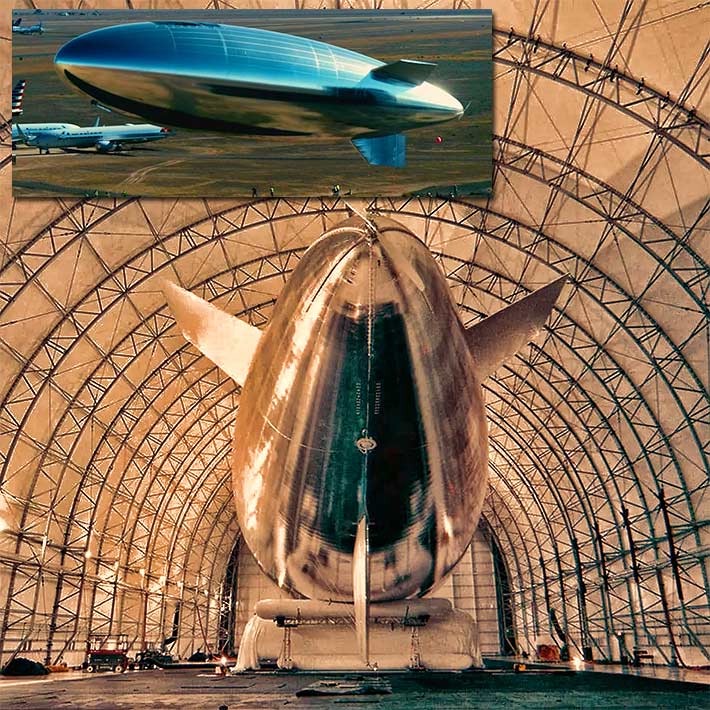
The attributes that make an excellent telecommunications and an environmental monitoring system meet more often than you believe. Both require endurance for a long time stability, stable positioning, and sufficient payload capacity. Sceye’s airship that is lighter than air covers all three. Since buoyancy is responsible for the primary mission of keeping the aircraft aloft it means the power budget isn’t drained by the process of generating lift as it is utilized for propulsion and station keeping and powering any sensor needs to be used for the mission. For greenhouse gas monitoring specifically it’s necessary to carry imaging systems, spectrometers and data processing tools without the hefty weight restrictions which limit fixed-wing HAPS designs.
5. Station Keeping is a Non-Negotiable Activity for important environmental data
A platform that varies in its monitoring is a monitoring system that creates data that’s difficult to interpret. Knowing exactly where a sensors was when it recorded a measurement is crucial in determining the source of the read to a specific source. Sceye’s emphasis on station keeping — holding the same position above a zone of interest by using active propulsion — isn’t just an operational performance metric. It’s what makes data legitimately defended. Stratospheric earth observation can only be effective for regulatory or legal reasons if the positional record is trustworthy enough to stand up to scrutiny. Drifting balloon platforms despite how efficient their sensors are, they can’t offer that.
6. The same platform could monitor Oil Pollution and Wildfire Risk During the Same Time
One of the most intriguing aspects of the multi-payload system is how naturally different environmental monitoring missions complement each other on an identical vehicle. Airships operating on coastal or offshore regions can include sensors calibrated for the detection of oil pollution in addition to tracking methane or CO2. Over land, the exact platform architecture is able to support wildfire detection technology — identifying smoke plumes, heat signatures and vegetation stress indicators that indicate ignition triggers. Sceye’s approach for mission design is to treat these as not separate programmes requiring separate aircraft instead as a set of parallel uses for infrastructure that’s already in place and operating.
7. The ability to detect Climate Disasters in real time changes the Response Equation
There’s a big difference between knowing that a fire started in the last six hours, and finding out it started 20 minutes from now. It’s the same with industrial accidents that release toxic gasses, flood events impacting infrastructure, or the sudden methane release from the permafrost. The ability of detecting climate catastrophes in real in time by a continuous stratospheric monitor gives emergency management along with government agencies and industrialists a window of opportunity for intervention that simply does not happen when monitoring is based on ground-based or satellite-based reports. The importance of this window is enhanced when you consider that the initial stages of environmental disasters are an area where intervention is most effective.
8. Its Energy Architecture Makes Long Endurance Monitoring a Viable
Environmental monitoring missions only deliver their maximum value when the station is left on for in a sufficient amount of time to make significant data records. The methane level for a week across an oil field can tell you something. The continuous accumulation of data over months can tell you something actionable. The ability to sustain that endurance is dependent on solving the problem of night-time energy -the platform should have enough power stored during daylight hours in order to operate the systems all night without disrupting position or sensor operations. Advances in lithium-sulfur battery chemistry with energy densities as high as 425 Wh/kg. Together with increasing the efficiency of solar cells, create a closed power loop practicable. With neither, longevity is simply an aspiration, rather than a definition.
9. Mikkel Vestergaard’s Backstory Explains the Environmental Emphasis
It’s important understand why corporation that operates in the stratospheric space sector puts a obvious emphasis on greenhouse gas monitoring and disaster prevention rather than simply focusing on connectivity revenue. Mikkel Vestergaard’s record of applying technology to large-scale environmental and humanitarian issues gives Sceye an initial focus that defines the mission that Sceye puts first and foremost in how it explains its platform’s primary function. The environmental monitoring capabilities don’t serve as a second payload to bolt on to make the appearance of a telecoms car more socially responsible. They represent a conviction that stratospheric infrastructure should be doing climate work, and this platform is able to achieve both without compromising the other.
10. Data Pipeline Data Pipeline Is as Important as the Sensor
In the process of collecting greenhouse gas readings from the stratosphere is only a small part of the matter. getting that information to people who require it, in a form they are able to be able to act upon, in almost real time is the second part. A stratospheric technology with onboard processing capabilities and direct downlink to ground stations could reduce the gap between detection and determination significantly than systems that batch data to be later analyzed. In the case of natural resource management applications that monitor regulatory compliance, or emergency response, the timing that the data is frequently a concern as much as its accuracy. Building that data pipeline into the platform’s structure from the beginning, rather than making it an afterthought, is part of what makes stratospheric earth observation serious from experimental sensor campaigns. Have a look at the recommended detecting climate disasters in real time for blog info including HAPS technology leader, SoftBank investments, Wildfire detection technology, sceye haps softbank japan 2026, sceye haps project updates, what are the haps, Real-time methane monitoring, softbank sceye partnership, what is haps, whats haps and more.
Fire And Disaster Detection In The Stratosphere
1. The Detection Window Is the Most Reliable Thing You’ll be able to extend
Every significant disaster has a time — which may be measured in minutes, and sometimes in hours — when a quick awareness could have altered the course of action. A wildfire that covers half a hectare is an issue of containment. A fire that is detected when it covers fifty hectares is a major crisis. An industrial gas release detected in the first 20 minutes could be secluded before it becomes a public health emergency. The same gas release that was discovered three hours later, via the use of a ground report, or even a satellite that is passing overhead for its scheduled visit, has already developed into a crisis with no solution that is clear. A broader detection window is probably the most significant improvement that monitoring infrastructures with improved capabilities can do, and the continuous stratospheric surveillance is among the few ways to alter the window effectively rather than barely.
2. Wildfires are becoming more difficult to Monitor With Existing Infrastructure
The scale and frequency of wildfire events over the last decade has outpaced the monitoring infrastructure designed to monitor the fires. Ground-based detection networks — sensors, watchtowers or ranger patrols are able to cover a small area too slowly to spot fast-moving flames in the beginning stages. Aircrafts’ responses are effective but expensive, weather-dependent, and reactive rather than anticipatory. Satellites move over a region on a regular basis, measured in hours, which results in a fire which blazes over, spreads, and then crowns between passes doesn’t provide early warning at all. The combination of greater fires, faster spread rates driven due to drought and increasingly complex terrain creates a monitoring gap that conventional methods aren’t able to close.
3. Stratospheric Altitude Provides Persistent Wide-Area Visibility
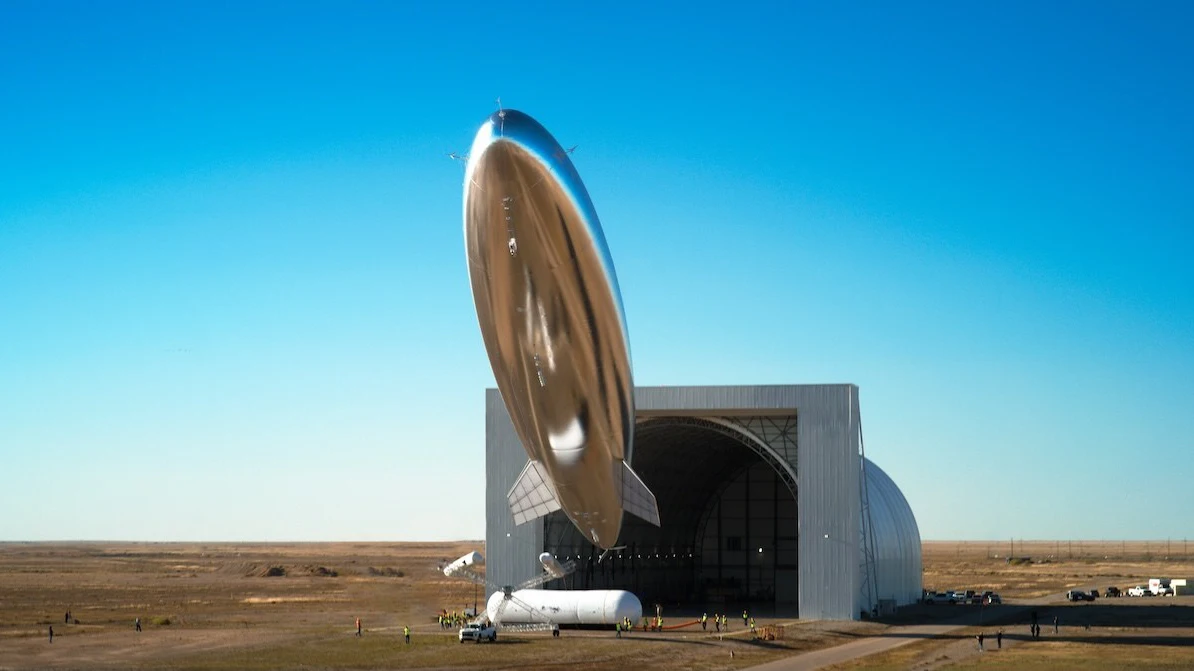
A platform that is operating at 20 kilometers above the surface will provide continuous visibility over a ground area that covers several hundred kilometres — protecting fire-prone areas, coastlines forests, forest margins and urban interfaces in one go and without interruption. In contrast to aircrafts, it doesn’t have to return to fuel. In contrast to satellites, it doesn’t disappear in the horizon after an annual revisit cycle. For wildfire detection, this constant wide-area coverage means that the device is monitoring whenever fire starts, monitoring when it spreads initially, and keeping track of the changing behavior of fire giving a constant data stream instead of a sequence of snapshots which emergency managers must cross-check between.
4. Both Thermal And Multispectral Sensors are able detect fires Before Smoke Is Observable
The most effective fire detection technologies doesn’t wait at the sight of smoke. Thermal infrared sensors identify heat anomalies that suggest ignition before a fire has produced any visible signature and can detect hotspots within dry vegetation and smouldering burning under the forest canopy and the early warmth signature of fires starting to form. Multispectral imaging offers additional capability through the detection of changes in vegetation conditions — such as moisture stress, drying, browning -indicators of increased threat of fire in a particular area before the ignition event takes place. A stratospheric system that incorporates this combination of sensors gives immediate warning of active combustion and provides predictive information about where the next ignition is likely to occur, which is a qualitatively unique kind of situational awareness than conventional monitoring delivers.
5. Sceye’s MultiPayload Approach Combines Detection with Communications
One of the real-world complications that arises from major disasters is that the infrastructure we rely on to communicate — mobile towers internet connectivity, power lines — are typically among the first to be damaged or flooded. A stratospheric-based platform carrying sensor for disaster detection as well as a communication payload tackles this issue with one vehicle. Sceye’s method of mission design is to consider connectivity and observation as mutually beneficial functions, not rival ones. This means that the identical platform that detects burning wildfire could also provide emergency communications to rescuers in the field whose land networks are dark. The cell tower in space not only sees the disaster — it keeps people connected by it.
6. Deterrence Detection Expands Far Beyond Wildfires
Although wildfires are among the most compelling scenarios for continuous monitoring of the stratosphere, the same platform capabilities apply to a wider range of disaster scenarios. Flood events can be tracked as they develop across regions of the coast and rivers. Earthquake aftermaths — with broken infrastructure, roads blocked and displacement of populationsbenefit from a fast wide-area assessments that ground teams don’t deliver in time. Industrial accidents that release the toxic gas or oil into coastal waters result in signatures which can be spotted by suitable sensors from the stratospheric height. Being able to detect climate catastrophes in actual time across all these categories requires monitoring element that is in constant motion at all times, watching constantly, and capable of distinguishing between the normal variation in environmental conditions as well as the signs of evolving emergency situations.
7. Japan’s disaster-related profile makes the Sceye Partnership Especially Relevant
Japan is the site of a significant portion of major earthquake events, faces regular Typhoon season that impacts coastal regions, and also has an extensive history of industrial accidents necessitating rapid environmental response. The HAPS collaboration with Sceye and SoftBank is aimed at Japan’s entire network and the pre-commercial services to be launched in 2026, sits at the crossroads of connections to the stratosphere as well as monitoring capabilities. A country with Japan’s exposure and its level of technological proficiency is arguably one of the best early adopters of stratospheric infrastructure that blends coverage resilience with real-time observation that provides both the communications backbone that is essential for disaster response and the monitoring layer required by early warning systems.
8. Natural Resource Management Benefits From the same Monitoring Architecture
The ability to detect and persist are what make stratospheric platforms successful for wildfire and disaster detection have direct applications in natural resource management. These applications operate over longer timescales, yet require similar monitoring continuity. Monitoring forest health -monitoring disease spread along with illegal logging and vegetation change — benefits from ongoing observation that identifies slow-developing issues before they become serious. Water resource monitoring across large areas of catchment, coastal erosion tracking, as well as the monitoring of protected areas against an encroachment can all be considered applications in which a stratospheric platform monitoring continuously gives us actionable insights that even periodic trips to the satellite or expensive plane surveys can’t afford to replace.
9. The founder’s mission defines why Emergency Detection is a Must
Understanding the reasons Sceye place such an emphasis on environmental monitoring and detection of natural disasters — rather than treating connectivity as the key objective and observation as an additional benefitinvolves understanding the fundamental idea that Mikkel Vestergaard contributed to the business. A background in applying advanced technology to large-scale humanitarian challenges results in a different set designs than a strictly commercial telecoms business would. The ability to detect natural disasters isn’t retrofitted onto a connectivity platform for the purpose of adding value. It’s an expression of the belief that the stratospheric network should be actively beneficial for all sorts of problems — such as climate catastrophes, environmental crises, emergencies involving human life, where the earlier and more precise information impacts the outcome for the affected population.
10. Continuous Monitoring changes the relationship between Data and Decision
The broader shift in stratospheric detection of disasters enables isn’t just faster response to specific events the technology is a paradigm shift in the way that decision-makers view the risks of the environment across time. When monitoring is infrequent, decision-making about resource deployment preparation for evacuation, and infrastructure investment have to be made in the face of significant uncertainty about actual conditions. If monitoring is constant and constant, this uncertainty shrinks drastically. Emergency managers using an in-real-time data feed from a continuous stratospheric platform that is above their area of responsibility are making decisions from substantially different perspective to the ones who rely on scheduled satellite passes or ground reports. That shift — from regular snapshots to constant information-sharing is what makes stratospheric observations of the earth from platforms like those created by Sceye is truly transformative and not marginally beneficial. View the recommended sceye softbank partnership for website advice including what’s the haps, Mikkel Vestergaard, Stratospheric telecom antenna, sceye greenhouse gas monitoring, sceye haps airship status 2025 2026, Stratospheric platforms, Stratospheric broadband, Sceye HAPS, HIBS technology, 5G backhaul solutions and more.

Leave a Reply